Thin Hand-lettering Script Font for Makers
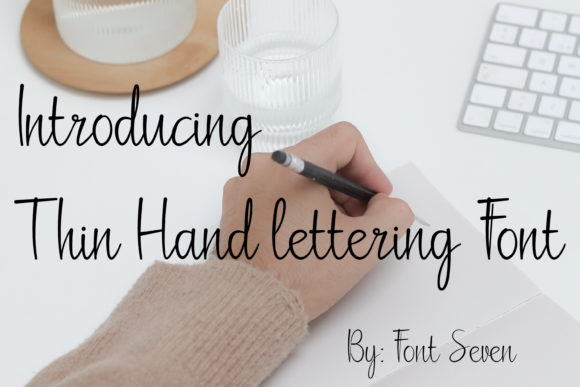
There is a specific kind of quiet magic that happens when you are finalizing the design for a new product line, hovering over the "export" button, and realizing the typography finally feels right. For me, that moment arrived while designing a set of minimalist soy candle labels. I needed something that felt personal yet polished, something that whispered elegance rather than shouting for attention. That is when I discovered Thin Hand-lettering Script, a typeface that perfectly bridges the gap between casual handwriting and refined editorial design. As a creator who relies heavily on versatile Fonts to define brand identity, finding a Script Handwritten style that maintains legibility at small sizes while retaining its dainty charm is rare. This font has since become a staple in my digital toolkit, transforming everything from wedding stationery to boutique packaging.
Creating Elegant Wedding Invitations with Thin Hand-lettering Script
When working with couples planning their special day, the pressure to get the typography perfect is immense. Thin Hand-lettering Script shines in this high-stakes environment because it is described as a well-balanced and delicate handwritten font. Its dainty and joyful nature makes it ideal for writing wedding invitations where the tone needs to be romantic but not overly ornate. I recently used it for a suite of minimalist wedding invites, pairing the script with a clean, thin sans serif for the logistical details. The contrast was striking. The script handled the names and dates with a fluid grace that felt custom-drawn, while the supporting text remained crisp and readable. Because this font retains a roman structure within its handwritten flow, it avoids the illegibility pitfalls that plague many overly swashed scripts. For invitation designers, this means fewer revisions and happier clients who see their vision come to life exactly as imagined.
Designing Dainty Product Labels and Boutique Packaging
For handmade sellers, packaging is the first physical touchpoint a customer has with your brand. Whether you are sealing a bag of artisan cookies or labeling a small batch of skincare products, the font choice communicates quality before the product is even touched. Thin Hand-lettering Script adds an immediate layer of sophistication to product labels. I have tested it on various materials, from kraft paper stickers to glossy vinyl labels, and it holds up beautifully. The thin strokes do not get lost in the printing process, provided you are using a high-resolution printer. When designing for small spaces, such as jewelry tags or soap wrappers, this font’s balanced proportions ensure that short phrases like "Handmade with Love" or "Pure Ingredients" remain clear. It transforms a simple brown box into a premium unboxing experience. By incorporating this Script Handwritten style into your packaging design, you elevate the perceived value of your goods, signaling to customers that care was taken in every detail, down to the typography.
Enhancing Greeting Cards and Printable Wall Art
The market for greeting cards and printable wall art is saturated, so standing out requires a distinct visual voice. Thin Hand-lettering Script offers a joyful aesthetic that works wonderfully for celebratory designs. I use it frequently for birthday cards, baby shower announcements, and motivational prints. Its delicate lines allow it to sit comfortably alongside illustrations without overwhelming the artwork. For printable creators, this font is a dream because it scales well. Whether it is printed on a large A3 poster or a small 4x6 card, the integrity of the letterforms remains intact. When creating seasonal products, such as holiday tags or spring-themed decor, the font’s natural rhythm adds a human touch that rigid digital fonts often lack. It feels approachable and warm, inviting the viewer to connect emotionally with the message. By choosing Fonts that convey specific moods, you can tailor your designs to resonate deeply with your target audience, making your printables more shareable and desirable.
Optimizing Readability for Cutting Machines and Merchandise
Many crafters use cutting machines like Cricut or Silhouette to create vinyl decals, tote bags, and shirts. A common challenge with script fonts is ensuring the thin connections do not break during the weeding process. Thin Hand-lettering Script is generally robust enough for these applications, but it requires careful handling. Because it is a delicate handwritten font, I recommend testing cut settings on scrap material first. For larger designs, such as tote bag quotes or wedding welcome signs, the font reads beautifully. However, for very small stickers or intricate shirt designs, consider increasing the size slightly to maintain clarity. The roman influence in the letterforms helps with recognition, making it easier for customers to read quickly. When pairing this script with other elements, keep the layout open. Crowding thin strokes can lead to visual noise. By respecting the font’s airy nature, you ensure that your merchandise looks professional and polished, whether it is being worn, carried, or displayed.
Pairing Thin Hand-lettering Script for Brand Consistency
A strong brand identity relies on consistent typography across all platforms. Thin Hand-lettering Script serves as an excellent display font for headers and accents, but it should be paired with complementary typefaces for body text. I often pair it with a geometric sans serif for a modern, clean look, or a classic serif for a more traditional, editorial feel. This combination works well for social media graphics, website banners, and business cards. The key is balance. Let the script take center stage for short, impactful messages, while the secondary font handles the informational heavy lifting. Before selling physical products or digital templates featuring this font, always check the licensing agreement to ensure commercial use is permitted. Understanding the included styles, alternates, and file formats will help you maximize the font’s potential. By integrating Thin Hand-lettering Script thoughtfully into your design assets, you create a cohesive visual language that customers recognize and trust, turning casual browsers into loyal buyers.